You don’t need a picture-perfect garden plan or endless free time to create a backyard that feels peaceful, colorful, and inviting. If the idea of gardening feels equal parts exciting and intimidating, you’re not alone. The good news? A beautiful home garden can be simple, forgiving, and very beginner-friendly.
This guide focuses on low-maintenance garden ideas that prioritize enjoyment over effort. Think of it as styling your outdoor space with plants—choosing easy options, building slowly, and creating a backyard oasis that looks good and fits real life.
Start Small and Build Confidence
One of the biggest beginner mistakes is trying to do too much too fast. Instead of tackling the entire yard, start with a single area you see and use often—near the patio, along a fence, or just outside the back door.
Starting small:
- Keeps costs manageable
- Makes maintenance feel less overwhelming
- Allows you to learn what works in your space
A few thriving plants will always feel better than a big, half-finished garden that feels like a chore.
Think in “Zones,” Not Entire Yards
Rather than designing your whole backyard at once, break it into simple zones. Each zone can serve a purpose and be built out over time.
Examples of easy garden zones:
- A cozy seating area with surrounding greenery
- A small flower bed along one fence or wall
- A container garden near the house
- A relaxed “wild” corner that doesn’t need much upkeep
This approach makes your backyard feel intentional without requiring a master plan from day one.
Choose Plants That Are Hard to Kill
Low-maintenance gardening starts with the right plants. Look for options known for being resilient, slow-growing, and well-suited to your climate. The fewer special requirements a plant has, the more beginner-friendly it will be.
When choosing plants, prioritize:
- Perennials that return each year
- Drought-tolerant varieties
- Native plants adapted to local conditions
If a plant needs constant pruning, daily watering, or perfect soil, it’s probably not the best choice for a beginner garden.
Use Mulch as a Design Tool (and a Time Saver)
Mulch is one of the most underrated tools in a low-maintenance backyard. It instantly makes garden beds look finished while also reducing weeds and helping soil retain moisture.
Benefits of mulch:
- Less watering
- Fewer weeds
- Cleaner, more polished garden beds
Choose natural mulch in neutral tones for a calming look, or darker mulch if you want plants to visually “pop.”
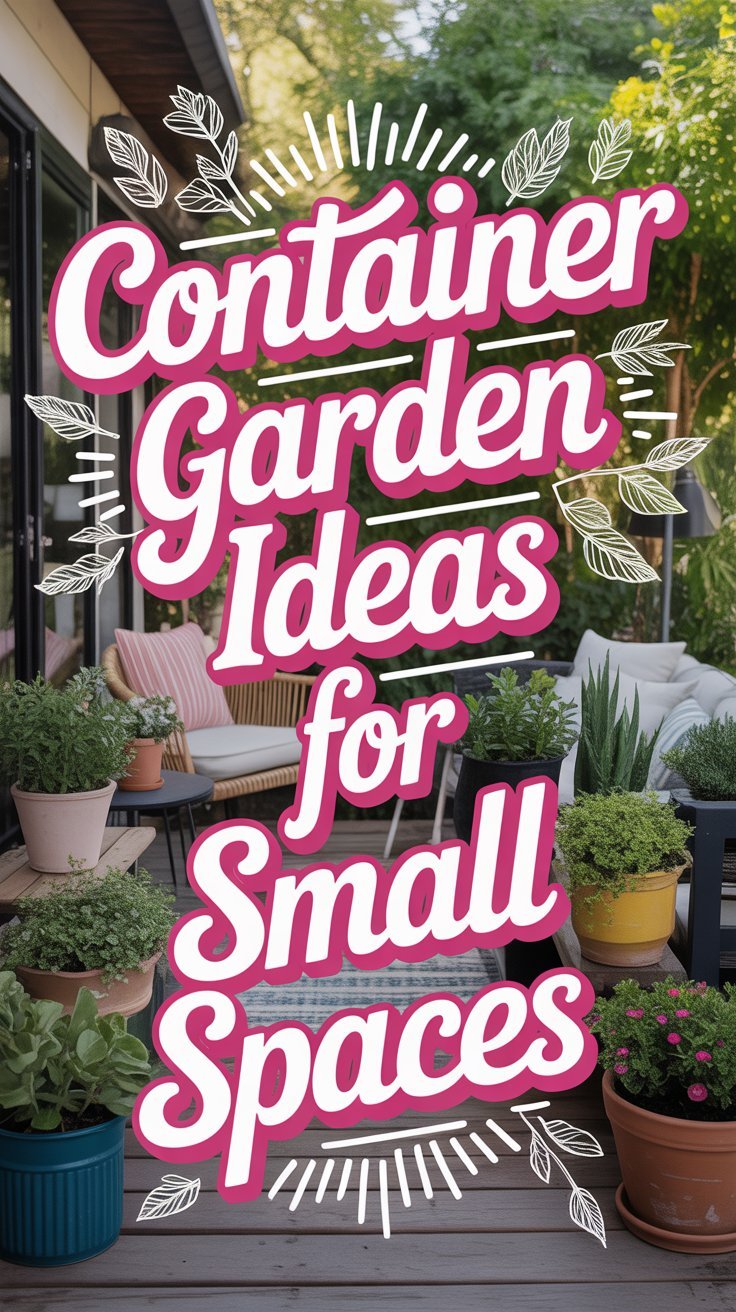
Containers Count as Gardening (Yes, Really)
If planting in the ground feels intimidating, containers are a perfect entry point. They’re flexible, forgiving, and great for experimenting without commitment.
Why containers are ideal for beginners:
- Easy to control soil and drainage
- Simple to rearrange if something isn’t working
- Perfect for patios, decks, and small yards
Grouping a few containers together creates visual impact without requiring a full garden bed.
Keep Hardscaping Simple and Practical
A low-maintenance backyard isn’t just about plants—it’s also about what you don’t have to maintain. Simple hardscaping can reduce upkeep while making the space more usable.
Beginner-friendly hardscape ideas:
- Gravel paths or seating areas
- Stepping stones instead of full walkways
- Defined borders between lawn and garden beds
These elements help your garden feel intentional while cutting down on mowing, trimming, and edging.
Let Your Garden Be a Little Imperfect
A backyard oasis doesn’t need to look manicured to be beautiful. In fact, slightly relaxed, natural gardens often feel more peaceful and welcoming than overly structured ones.
Give yourself permission to:
- Leave some areas a bit wild
- Mix textures and plant heights naturally
- Let the garden evolve over time
Low-maintenance gardening is about enjoyment, not perfection.
Build a Backyard You’ll Actually Use
The best garden is one that fits your lifestyle. Whether you love hosting friends, relaxing with a book, or just enjoying your morning coffee outside, let how you use your backyard guide your choices.
A simple bench, a small table, or a clear path through greenery can make the space feel like an extension of your home—not just something to maintain.
Final Thoughts: Simple Choices Create the Most Joy
Creating a beginner-friendly home garden isn’t about doing everything right—it’s about making thoughtful, low-pressure choices that bring joy over time. Start small, choose forgiving plants, and focus on how you want your backyard to feel.
With a few intentional decisions, your outdoor space can become a low-maintenance oasis that grows with you—no stress required.
Frequently Asked Questions: Beginner-Friendly Home Garden Ideas
What is the easiest way to start a home garden as a beginner?
The easiest way to start is by choosing one small area and focusing on just a few low-maintenance plants. Starting small helps you learn what works in your space without feeling overwhelmed, and it’s easier to keep up with watering and care.
What are the best low-maintenance plants for beginners?
Plants that require minimal watering, pruning, and attention are ideal for beginners. Look for perennials, native plants, and drought-tolerant varieties suited to your climate. These plants are generally more forgiving and easier to maintain over time.
Do I need a large yard to create a backyard garden oasis?
Not at all. A backyard oasis can be created in any size space, including small yards, patios, or even balconies. Container gardens, small seating areas, and focused planting zones can make even compact spaces feel lush and inviting.
How often should I water a low-maintenance garden?
Most low-maintenance gardens benefit from deeper, less frequent watering rather than daily watering. The exact schedule depends on your climate, soil, and plant types, but many beginner-friendly plants thrive with minimal watering once established.
Is mulch really necessary for beginner gardens?
Yes, mulch is one of the easiest ways to reduce maintenance. It helps retain moisture, suppress weeds, and gives garden beds a finished look. Using mulch can significantly cut down the time and effort required to care for your garden.
Can I garden if I don’t have great soil?
Absolutely. Many beginners start with average or poor soil. Using containers, raised beds, or adding compost and mulch can improve soil conditions without a major overhaul. Starting with the right plants also makes a big difference.
How long does it take for a beginner garden to look established?
Most gardens take one to two growing seasons to really fill in. However, you can achieve an “established” look sooner by grouping plants closely, using mulch, and incorporating containers or hardscaping elements from the start.
What’s the biggest mistake beginners make with home gardens?
Trying to do too much at once. Overplanting, choosing high-maintenance plants, or redesigning the entire yard immediately can lead to burnout. A slow, intentional approach leads to better results and more enjoyment.
How do I keep my garden looking good year-round?
Focus on plants with long-lasting foliage, mix in evergreens if possible, and keep the structure simple. Mulch, hardscaping, and garden furniture help maintain visual interest even when plants aren’t actively blooming.
Do I need special tools to maintain a low-maintenance garden?
No. Most beginner gardens can be maintained with just a few basic tools like hand pruners, a watering can or hose, and gardening gloves. Keeping it simple helps gardening stay enjoyable rather than overwhelming.