I love cozying up in a dark, moody room—the kind of space that feels instantly rich, dramatic, and enveloping. Far from gloomy, these rooms balance shadow and light, texture and tone, to create a sense of depth and sophistication that feels both intimate and inviting. Whether you’re drawn to inky blues, deep olive greens, or soft charcoal grays, moody design can turn any room into a cozy retreat that still feels polished and intentional.
In this post, we’ll explore seven inspiring ways to bring moody style into your home—through layered color palettes, statement lighting, luxe textures, and thoughtful details that make dark tones feel warm rather than stark. You’ll discover how to balance bold choices with soft, comforting elements, and how to make even the smallest spaces feel dramatic yet livable.
Ready to embrace the art of cozy drama? Let’s dive into seven ways to style moody interiors that feel both rich and welcoming.
1. Start with a Deep, Saturated Color Palette
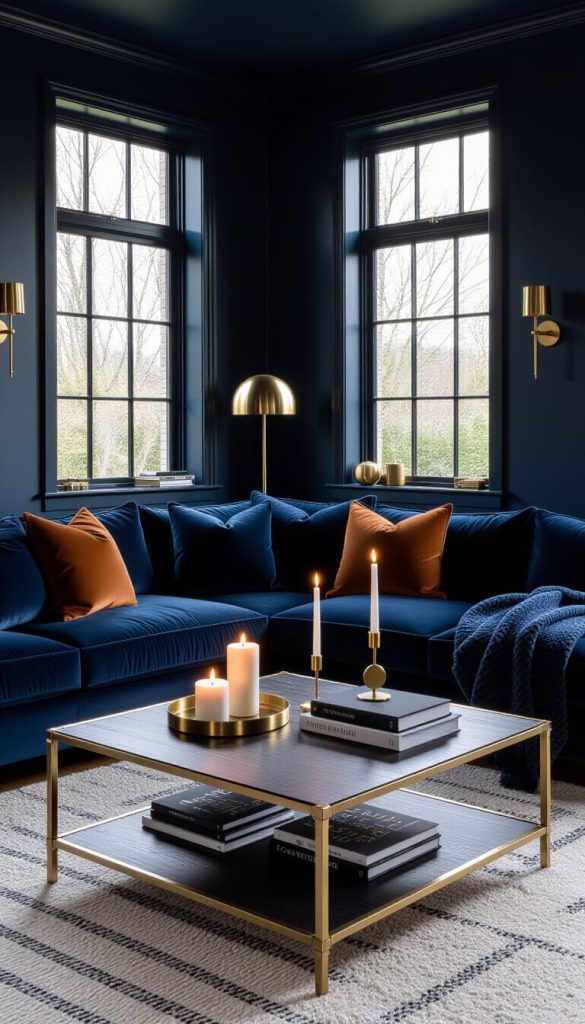
At the heart of every moody interior is a rich, layered palette. Think hues that evoke depth—like forest green, midnight blue, plum, espresso, or smoky gray. These tones anchor a space, creating a cocoon-like feel that instantly makes a room feel more intentional.
When selecting wall colors, consider painting all four walls (and even the ceiling) for maximum impact. A tone-on-tone approach—using similar shades for walls, trim, and furniture—adds a sophisticated, enveloping effect. To keep the look cozy rather than heavy, balance darker hues with warm undertones and textures that catch the light, such as velvet, brass, or natural wood.
Pro Tip: Test paint samples at different times of day before committing. Natural and artificial light can shift how these colors appear, and the right shade will feel soft and layered rather than flat or cold.
2. Layer in Luxe Textures
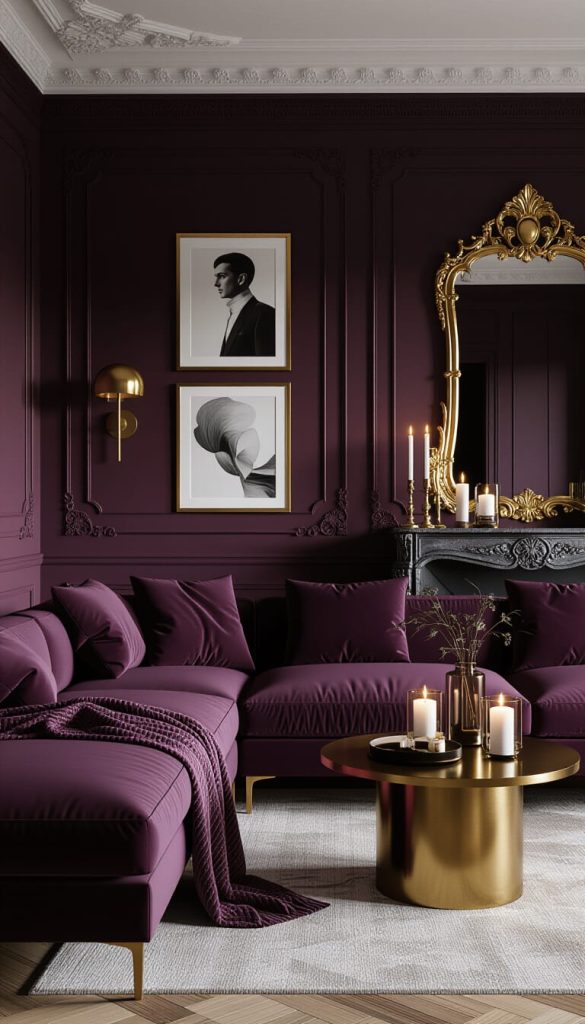
Texture is the secret to making moody spaces feel warm instead of stark. When you work with deep colors, tactile materials add visual interest and comfort. Think soft velvet sofas, chunky knit throws, linen curtains, and plush rugs layered over wood or tile. Metallic finishes—like brushed gold, antique brass, or aged bronze—bring a subtle gleam that keeps the room from feeling too heavy.
Mix materials intentionally: pair smooth leather with nubby wool, sleek marble with woven rattan, or matte black metal with soft suede. The interplay between rough and refined surfaces enhances the richness of the space and invites touch, which is key to creating that cozy, lived-in mood.
Pro Tip: Use lighting to highlight texture. A strategically placed lamp or sconce can draw attention to a velvet headboard, draped curtains, or the grain of a wood accent wall.
3. Use Lighting to Create Depth and Drama
Lighting is what truly brings a moody room to life. Instead of relying on harsh overhead lights, layer your lighting at different levels—table lamps, floor lamps, sconces, and candles all contribute to the atmosphere. Warm-toned bulbs (around 2700K) create a soft, golden glow that complements dark walls and makes the room feel inviting rather than dim.
Opt for fixtures that double as art: sculptural brass pendants, smoky glass globes, or matte black sconces can all add character while enhancing the moody vibe. Dimmer switches are your best friend here—they let you adjust the intensity to suit the moment, whether it’s an intimate dinner, a movie night, or quiet reading time.
Pro Tip: Think of lighting as layers of shadow and glow. Highlight focal points—like artwork, shelving, or architectural details—while allowing the rest of the room to fall into gentle shadow for that cinematic, enveloping feel.
4. Incorporate Natural Elements for Balance
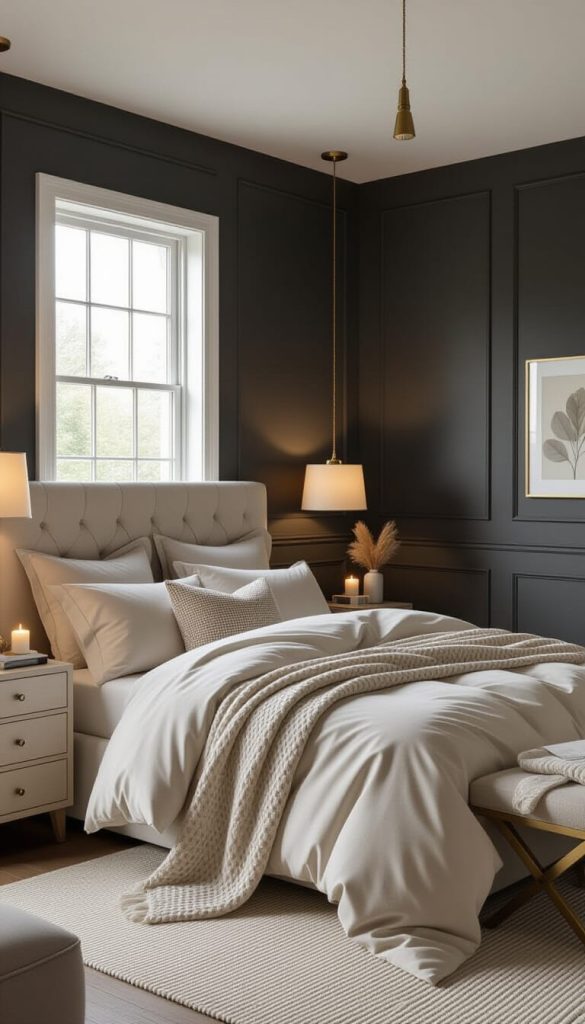
Even the most dramatic interiors need grounding elements to feel livable. Introducing natural materials and organic shapes keeps a moody space from feeling overly formal or heavy. Think live-edge wood tables, stone accents, woven baskets, dried florals, or lush houseplants that add a touch of softness and contrast to darker tones.
Plants, in particular, bring life and freshness to a room with deep walls or heavy fabrics. Choose varieties that thrive in lower light—like snake plants, pothos, or ZZ plants—to maintain that cozy, shadowed ambiance without sacrificing vibrancy.
Pro Tip: Pair your natural elements with moody textures—like a dark ceramic planter on a marble table or a rustic wood frame against a matte black wall—for a look that feels both organic and sophisticated.
5. Add Artwork That Matches the Mood
Art is one of the most powerful ways to reinforce a moody interior’s emotional tone. Choose pieces that reflect depth and emotion—abstracts in dark jewel tones, vintage portraits, or nature-inspired prints with dramatic contrast. Oversized canvases can make a bold statement, while smaller framed collections add intimacy and storytelling.
Don’t be afraid to lean into shadowy or atmospheric themes. A landscape painted in muted blues or a still life with rich, warm highlights can echo your color palette beautifully. Use deep, substantial frames—black, walnut, or gold leaf—to tie everything together and enhance the room’s sense of drama.
Pro Tip: Hang art lower than you might in a bright, airy space. Bringing pieces closer to eye level and grouping them tightly can make the room feel cozier and more enveloping, which suits the moody aesthetic perfectly.
6. Mix Vintage and Modern Pieces
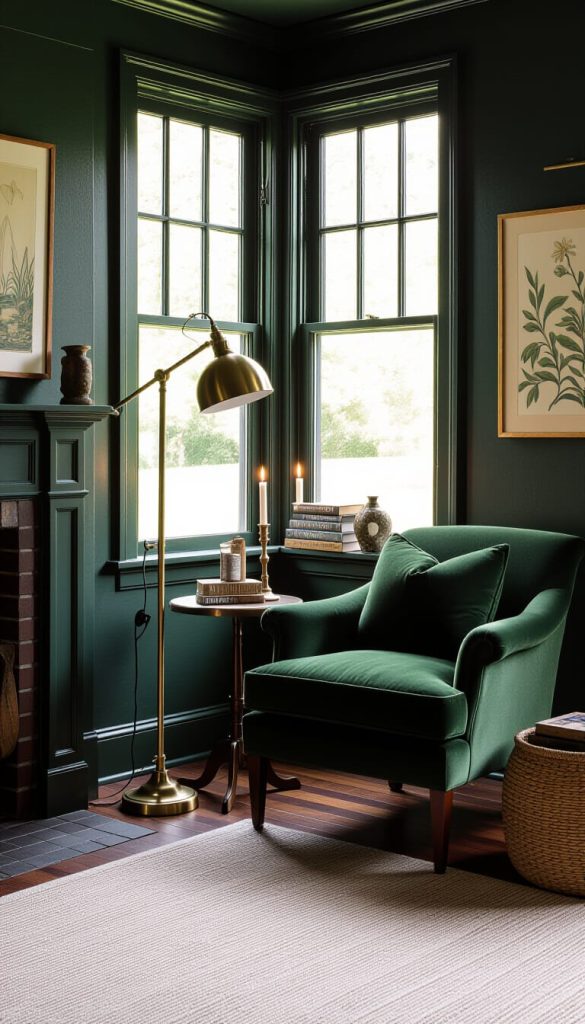
A moody interior comes alive when it feels collected, not staged. Blending old and new pieces adds richness and personality—vintage furniture introduces history and patina, while modern accents keep the look fresh and grounded. Try pairing an antique sideboard with sleek black candlesticks, or set a modern velvet sofa beneath a vintage oil painting for an effortlessly layered aesthetic.
The key is contrast: shiny meets weathered, streamlined meets ornate. This tension makes the space feel curated and full of character, rather than themed. Use repetition of color or finish (like repeating brass or deep wood tones) to keep the mix feeling cohesive.
Pro Tip: If you’re new to mixing eras, start small. A vintage mirror, an old rug, or a retro lamp can anchor a contemporary space and instantly make it feel more soulful.
7. Create Cozy Contrast with Soft Accents
Once your foundation of color, texture, and lighting is set, it’s time to bring in softness. Layering textiles and warm materials is what transforms a moody space from dramatic to deeply comfortable. Think plush throw blankets, oversized pillows in velvet or faux fur, and flowing curtains that pool slightly on the floor.
Add smaller accents that lighten the mood without breaking it—creamy ceramics, linen napkins, or pale wood trays. Even a touch of candlelight can shift the atmosphere from serious to serene. These soft layers are what make moody interiors feel lived-in, not just designed.
Pro Tip: Incorporate a hint of contrast—a cream pillow on a navy sofa or a pale rug beneath dark furniture—to keep the space dynamic. The subtle interplay of light and dark is what gives moody interiors their irresistible charm.
FAQ: Styling Moody Interiors
How can I make a moody room feel cozy instead of dark?
Layer warm materials like velvet, wool, and natural wood, and use lighting that casts a soft, amber glow. The goal is to add warmth and texture so the room feels inviting rather than cold.
What colors work best for moody interiors?
Deep shades like charcoal, navy, forest green, plum, and espresso are timeless choices. For a cozier look, choose hues with warm undertones—like olive instead of emerald or aubergine instead of pure purple.
Do moody colors work in small spaces?
Absolutely. Dark colors can actually make small rooms feel more intimate and enveloping. Use consistent tones on walls, trim, and ceilings for a seamless effect, and bring in mirrors or metallic accents to bounce light around.
Can I mix moody tones with lighter décor?
Yes! Combining dark walls with light furniture, art, or soft textiles creates visual contrast that keeps the space from feeling too heavy. Just make sure there’s harmony in the undertones.
What kind of lighting suits a moody room?
Opt for layered lighting—floor lamps, sconces, and candles over harsh overhead lights. Dimmer switches are ideal for controlling the ambiance and adjusting between dramatic and relaxed moods.
Conclusion: Embrace the Beauty of Shadow and Light
Styling a moody interior is all about balance—between rich color and softness, darkness and glow, drama and comfort. These spaces invite you to slow down and savor the atmosphere they create, where every shadow adds dimension and every texture tells a story. By combining deep hues, layered lighting, and thoughtful details, you can design a home that feels both cinematic and cocooning—a retreat that wraps you in warmth the moment you walk in.
Whether you’re ready to paint your walls in inky tones or simply want to experiment with moodier accents, remember: it’s not about perfection. It’s about creating a space that feels authentic, intimate, and undeniably you.