Introduction: Making the Most of a Small Walk-In Closet
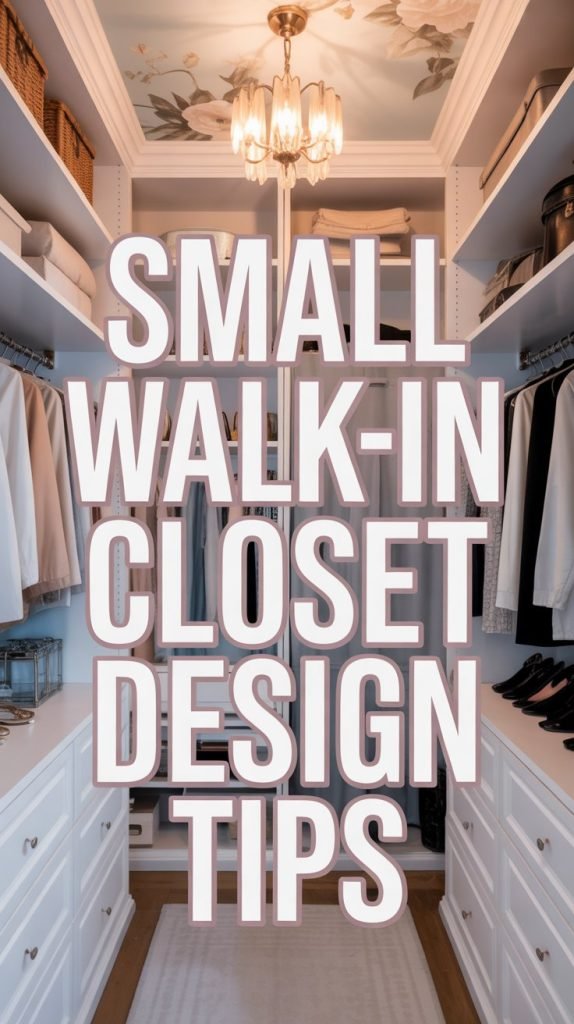
Designing a walk-in closet in a compact room might seem impossible, but with smart planning and creative storage solutions, even a modest space can feel luxurious and functional. The key is to focus on maximizing every inch—vertically, horizontally, and visually—so that your closet feels open, organized, and custom-tailored to your needs. Whether you’re building a small walk-in from scratch or rethinking an existing one, these design strategies will help you create a beautiful, efficient space that works hard for you.
1. Start with a Smart Layout
When space is limited, layout is everything. Begin by measuring your closet carefully and mapping out how you’ll use each wall. An L-shaped or U-shaped layout often provides the best balance between hanging space, shelving, and drawers. Reserve one section for long hanging items like dresses or coats, and use the other walls for double hanging rods, shelves, or cubbies.
If your closet is narrow, keep at least 24 inches of walkway clearance so it feels comfortable to move around. Don’t be afraid to adjust the height of rods or shelves to fit your exact wardrobe—custom spacing will make the layout feel more intentional and prevent wasted gaps.
2. Maximize Vertical Storage
In a small walk-in, vertical space is your best friend. Take storage all the way to the ceiling with stacked shelves or cabinets to store items you don’t use daily—like off-season clothes or special-occasion accessories. Use bins or labeled boxes on upper shelves to keep everything tidy and easy to reach with a small step stool.
For everyday items, install adjustable shelves or hanging systems so you can shift things around as your needs change. Hooks and pegboards on the side walls or the back of the door can also hold belts, scarves, hats, or jewelry, keeping surfaces clutter-free and maximizing every inch.
3. Choose Space-Saving Closet Systems
Modular closet systems are ideal for small walk-ins because they allow you to customize your setup and adapt as your wardrobe evolves. Look for narrow-profile units with adjustable shelves, pull-out drawers, and combination hanging sections. A mix of open and closed storage keeps the space functional and polished—open shelves for shoes or handbags, drawers for folded items, and cabinets for items you’d rather hide away.
Consider sliding doors, pull-out baskets, or fold-down hooks to save even more space. Many brands offer systems that can be cut to fit your dimensions, giving you a custom look without the cost of a full renovation.
4. Light It Up
Good lighting can make even a tiny closet feel larger and more luxurious. Start with bright overhead lighting, like a flush mount or recessed fixture, to evenly illuminate the entire space. Then, add task lighting under shelves or inside cabinets to help you see clothing details and colors clearly.
LED strip lights or motion-sensor puck lights are perfect for small spaces—they’re low profile, energy efficient, and easy to install without wiring. If you have a mirror in your closet, position lights so they reflect off it to create a sense of openness and depth. Warm white bulbs (around 3000K) will make your space feel cozy yet bright.
5. Use Mirrors and Finishes to Create Space
When square footage is limited, design tricks can make your closet feel much bigger than it is. A full-length mirror is a must—it adds depth, bounces light, and serves a practical purpose. You can mount it on the back of the door or even use mirrored closet doors to double the visual space.
Opt for light-colored finishes like white, pale wood, or soft neutrals to reflect light and keep the space airy. Glossy paint or acrylic drawer fronts can also enhance brightness. If you prefer a more dramatic look, add mirrors or metallic accents to balance darker tones without making the space feel closed in.
6. Keep It Organized and Personalized
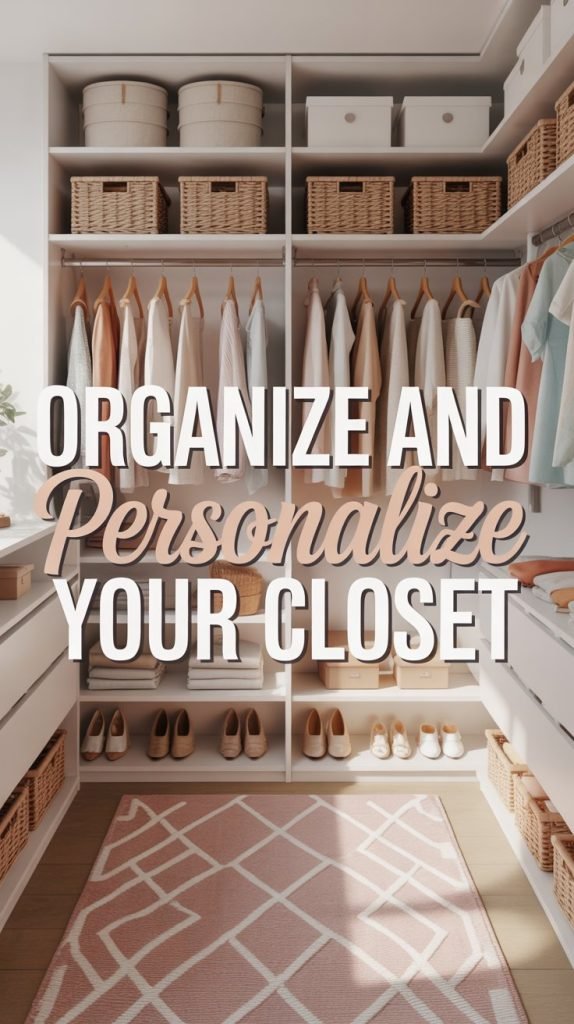
The best small closets are both functional and inspiring. Group clothes by category and color for a clean, boutique-like feel. Use slim, matching hangers to maximize space and maintain visual order. Drawer dividers and small trays help contain accessories, while labeled bins prevent clutter from creeping back in.
Don’t forget the finishing touches that make the space feel like your own—pretty hardware, a small rug, or framed art can transform your closet from utilitarian to stylish. Even in a compact walk-in, thoughtful organization and personal touches can make it a place you enjoy stepping into every day.
FAQ Section
Q: How much space do you need for a walk-in closet?
A: Ideally, a walk-in closet should be at least 4 feet wide by 4 feet deep to allow comfortable movement. However, with efficient design—like using one wall for storage and keeping the other open—you can make even a smaller footprint work beautifully.
Q: What’s the best way to organize shoes in a small walk-in closet?
A: Use vertical shoe racks, tiered shelves, or clear stackable boxes. If floor space is tight, consider hanging shoe organizers on the back of the door or under shelves.
Q: Can I make a standard closet feel like a walk-in?
A: Yes! Remove doors and add open shelving or a built-in system that extends slightly into the room. Even a few extra feet of accessible space can create that walk-in feel.
Q: How can I keep a small closet from feeling cluttered?
A: Stick to a cohesive color palette, use matching hangers, and maintain consistent spacing between items. Regularly edit your wardrobe so only the pieces you love and wear often take up space.
Conclusion: Small Closet, Big Style
Designing a walk-in closet when you’re short on space is all about smart choices and creative thinking. With an efficient layout, vertical storage, and thoughtful lighting, you can turn even the smallest area into a chic and highly functional dressing space. Remember to mix practicality with personality—when your closet reflects your style and is organized to suit your routine, it becomes more than just storage; it’s a daily source of calm and inspiration.