Introduction: Why Decorating Around Your Wall-Mounted TV Matters
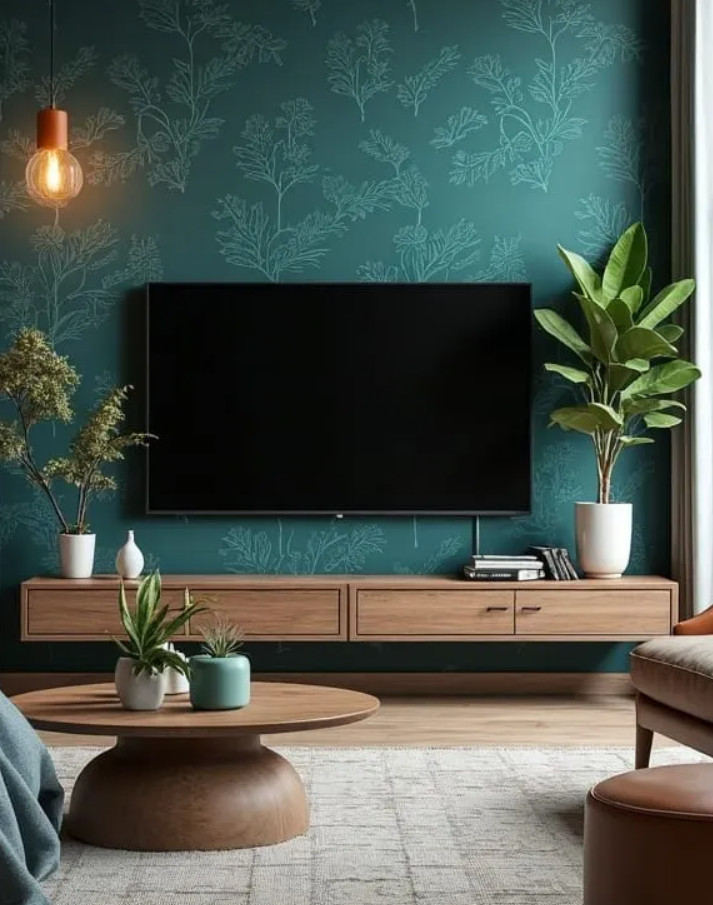
A wall-mounted TV can easily become the unintentional focal point of your living room. While it serves as an entertainment hub, it can also disrupt the flow of your decor if not styled thoughtfully. Decorating around your TV isn’t just about filling empty wall space—it’s about achieving harmony between technology and design.
When done right, your TV wall can elevate your entire room, drawing attention for the right reasons. Let’s explore how to blend aesthetics with practicality to create a space that feels balanced, inviting, and stylish.
Understanding the Balance Between Function & Aesthetics
When decorating around a wall-mounted TV, one of the biggest challenges is finding the right balance between functionality and aesthetics. Your TV wall should look visually appealing, but it must also support comfortable, practical everyday living. Achieving this balance starts with understanding how the space is used, then layering in design choices that enhance both style and purpose.
Start with the Function First
Before focusing on decor, begin with the practical setup. Consider the following:
- Where will you sit when watching TV?
- What viewing height is most comfortable?
- Will nearby windows or lighting create glare?
- How will cables, sound equipment, and media devices be organized?
Addressing these essentials makes decorating far easier and ensures the final result works well for daily life.
Tip: Position the TV so its center aligns with eye level when seated, typically 42–48 inches from the floor. This provides ergonomic comfort and a balanced appearance.
Treat the TV as Part of the Design
Avoid designing the room first and placing the TV last. Instead, treat the TV as an intentional part of the overall layout. Think of it as you would a framed art piece—something that deserves thoughtful placement.
You can:
- Align the TV with surrounding artwork or shelves for cohesion.
- Pair it with a media console that matches your room’s materials or colors.
- Choose a wall color that complements the TV’s frame.
Tip: A black TV blends more naturally into dark or textured walls such as charcoal, deep navy, stone gray, or wood paneling. This reduces contrast and creates a polished, integrated look.
Create Visual Balance with Decor
A TV mounted on a large blank wall can look visually heavy or isolated. Adding decor creates balance and softens the screen’s presence.
Try placing:
- Floating shelves or framed artwork on either side of the TV
- Plants, floor lamps, or tall decor pieces near the media console
- Symmetrical accessories, such as matching sconces or vases
Tip: Decorating in groups of three or five often looks more natural than perfectly even pairs.
Use Color and Texture to Tie the Space Together
Once the functional layout is established, consider how color, material, and texture can enhance the look of the TV wall. These elements determine the overall feel of the space.
You can incorporate:
- A textured wallpaper, wood slat wall, or stone feature wall behind the TV
- A media console that matches other furnishings in the room
- Soft lighting such as LED backlighting or wall sconces for a warm glow
Tip: Choose matte finishes around the TV. Glossy surfaces can create distracting reflections.
Prioritize Comfort and Room Flow
Even a beautifully styled TV wall can feel off if it disrupts the natural flow of the room. Ensure there is enough space for seating, movement, and additional furniture pieces. The TV should feel naturally placed—not forced or visually overwhelming.
Tip: Use painter’s tape to map out where the TV and decor items will go. This helps you preview spacing and proportions before drilling or hanging anything.
Want more inspiration? Here are some more specific ideas for decorating around your TV.
Idea #1: Create a Gallery Wall Around Your TV
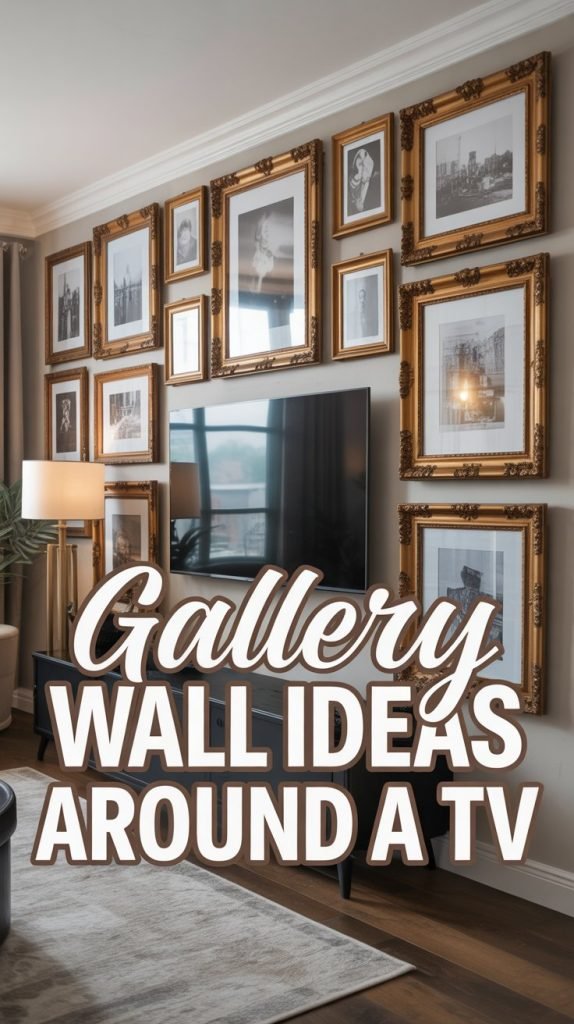
A gallery wall is one of the most effective ways to make a wall-mounted TV feel intentional and stylish. Instead of letting the TV stand alone on a blank wall, surrounding it with artwork helps soften its visual weight and transforms the entire area into a cohesive design moment. When done correctly, the TV becomes just one element within a curated collection, rather than the dominant feature of the room.
How a Gallery Wall Enhances the TV Area
A gallery wall provides visual texture, personality, and balance. The variety of shapes, colors, and frames helps the TV blend in naturally with the surrounding decor. This approach works well in nearly any interior style—modern, traditional, boho, eclectic, coastal—because the artwork you choose can reflect your taste.
The gallery wall creates a sense of symmetry or controlled asymmetry that draws the eye across the wall rather than directly toward the screen. This is especially helpful if you’re trying to minimize the appearance of a large or dark TV in a light-colored room.
Choosing the Right Artwork
Artwork selection sets the tone for your gallery wall. You can mix:
- Framed prints
- Photographs
- Abstract art
- Line drawings
- Canvas pieces
- Small wall sculptures
- Typography prints
Try choosing pieces that share at least one common element—similar frame color, complementary color palette, or recurring shapes. This ensures the gallery looks intentional rather than chaotic.
Tip: Neutral-toned art with pops of color works well around TVs because it maintains balance without competing for attention.
Planning the Layout
Before hanging anything, plan your layout. Begin by determining where the TV sits vertically and horizontally, then build outward from there. You can create either a symmetrical or asymmetrical layout depending on your style.
Popular layout strategies include:
- A tight grid layout for a clean, modern look
- An organic, free-form arrangement for a relaxed, eclectic feel
- A perimeter layout that frames the TV with art around all four sides
- A side-heavy layout with most art on one side for asymmetrical balance
Place larger pieces near the TV and smaller pieces toward the outer edges. This keeps the wall visually grounded.
Tip: Use painter’s tape or paper cutouts to map your frames on the wall before hanging. This helps you visualize spacing and scale without making unnecessary holes.
Frame Coordination and Finishes
Frames are an important design element on their own. You can choose:
- Matching frames for a polished, modern aesthetic
- Mixed frames (wood, black, gold, metal) for an eclectic or boho feel
- Slim contemporary frames for minimalist interiors
- Ornate frames for vintage or traditional rooms
The frame style helps determine whether the wall feels formal, casual, modern, or artistic. If you’re unsure, sticking with black, white, or natural wood frames is a safe, versatile option.
Balancing the TV Visually
Since a TV is typically a dark rectangle, it naturally becomes a focal point. A well-designed gallery wall softens this by providing visual “anchors” around it. Try to keep visual weight balanced on both sides of the screen.
Balance can be created by:
- Placing similarly sized frames on opposite sides
- Using symmetrical artwork arrangements
- Creating a tall piece on one side and grouping smaller pieces on the other
- Ensuring the outer edges form a loose rectangular boundary around the TV
This keeps the wall from feeling lopsided or heavy in one area.
Spacing and Proportions
One of the biggest mistakes beginners make is spacing frames too far apart. For a cohesive gallery wall, the spacing should be consistent and relatively tight.
General guidelines:
- Aim for 1.5 to 3 inches of space between frames
- Leave at least 2–4 inches between the TV and surrounding artwork
- Keep the overall arrangement centered at eye level for harmony
Tighter spacing creates a unified look and helps the TV nestle seamlessly into the arrangement.
Making It Personal
A gallery wall is the perfect place to add personal touches. Incorporate:
- Family photos
- Travel prints
- Favorite quotes
- Artwork from children (try these frames!)
- Souvenirs or small decor pieces
Personal items make the space warm, inviting, and reflective of your life. This also helps balance the modern, technological feel of the TV with something meaningful and human.
Idea #2: Add Floating Shelves and Smart Storage
Floating shelves are one of the most versatile and effective ways to enhance the look of a wall-mounted TV. They provide structure, balance, and a sense of intentional design while also offering practical storage solutions. When positioned well, floating shelves help draw attention away from the TV as a standalone object and instead create a curated, functional display that complements the entire room.
Why Floating Shelves Work Well With a Wall-Mounted TV
Floating shelves create visual movement around the TV, helping it feel integrated into the overall composition of the wall. They break up empty spaces, add layers of interest, and give the area more depth and dimension. The clean lines of floating shelves also allow them to work beautifully in modern, minimalist, farmhouse, industrial, Scandinavian, or transitional interiors.
Because floating shelves come in various lengths, thicknesses, and finishes, they can be customized to match the aesthetic and scale of your living room.
Determining the Best Shelf Placement
Before drilling any holes, take time to plan where the shelves will sit in relation to the TV. Your placement will depend on the look you’re aiming for.
Common layout ideas include:
- A pair of shelves on each side of the TV for symmetrical balance
- A long floating shelf directly beneath the TV as a minimalist console alternative
- Staggered shelves to introduce movement and an organic feel
- Vertical floating shelf towers flanking the TV for a built-in look
- A thin decorative ledge above the TV for art or small objects
The goal is to create balance without overcrowding. If your TV is large, wider or longer shelves will help maintain proportion. For smaller televisions, narrower shelves prevent the wall from feeling top-heavy.
Tip: Always account for your TV’s heat output and ensure adequate airflow around electronic devices placed on or near shelves.
Choosing Shelf Materials and Finishes
The material and finish of your floating shelves significantly influence the room’s overall mood.
Popular choices include:
- Light natural wood for a warm, Scandinavian feel
- Dark stained wood for a sophisticated, dramatic effect
- Matte black shelves for a modern or industrial look
- Glossy white shelves for a sleek contemporary space
- Rustic reclaimed wood for farmhouse or cottage-style interiors
Keeping your shelves consistent with your existing furniture helps create visual harmony. For example, if your coffee table has a walnut finish, pairing floating shelves in a similar tone makes the space feel cohesive.
Styling Shelves for Visual Appeal
The way you style floating shelves has just as much impact as the shelves themselves. Aim for a balance of decorative and functional items.
Common shelf decor pieces include:
- Small potted plants
- Candles and candleholders
- Stacked books
- Framed photos or small art prints
- Sculptures or decorative objects
- Ceramic vases and bowls
- Woven baskets for texture and storage
When styling shelves, use a mixture of heights, shapes, and textures. Grouping objects in sets of threes is a reliable approach for beginners because it creates natural flow without appearing overly staged.
Tip: Leave some negative space on each shelf. Too many items make the wall feel cluttered, which can overwhelm the clean look of a wall-mounted TV.
Using Shelves for Smart Storage
Floating shelves are not only decorative—they also offer smart ways to manage everyday items. This is especially helpful in small living rooms or apartments where floor space is limited.
You can use shelves to hold:
- Media boxes, routers, and game consoles
- Speakers or soundbars (if weight allows)
- Baskets with remote controls, chargers, or accessories
- Slim bins for DVDs or gaming equipment
If you prefer to keep the TV wall streamlined, mix closed storage solutions—such as baskets—with open display pieces.
Incorporating Cable Management
Exposed cables can quickly ruin the look of a well-designed shelf arrangement. Effective cable management is essential for maintaining a polished and tidy appearance.
Options include:
- In-wall cable management kits
- Decorative cord covers
- Cable sleeves or clips mounted discreetly under shelves
- Media boxes or baskets that hide electronic devices
Keeping cords out of sight ensures your shelves and decor become the focus—not the wiring.
Creating Balance With Scale and Proportion
One of the most important aspects of using floating shelves is ensuring the proportions feel balanced with the TV. Shelves that are too small can make the TV look overwhelming, while oversized shelves may dominate the wall.
General guidelines:
- Choose shelves that extend at least one-third the width of the TV
- If placing shelves beneath the TV, match the width of your console for symmetry
- Leave 3–6 inches of space between shelves and the sides of the TV
- Keep shelf height comfortable for access and decor placement
Balancing scale helps the entire wall feel cohesive, intentional, and visually appealing.
Idea #3: Use Wallpaper or a Feature Wall Behind the TV
Creating a feature wall behind a wall-mounted TV is one of the most effective ways to add depth, texture, and visual interest to a living room. Instead of a flat, blank wall that highlights the TV, a feature wall turns the entire backdrop into a thoughtful design moment. This not only enhances the look of the space but also helps the TV blend more naturally with the surrounding decor.
Why Feature Walls Work Well Behind a TV
TVs are visually dominant because of their size and dark color. A feature wall softens that dominance by supplying a textured or patterned background that pulls attention away from the screen alone. This makes the TV feel more like part of the room’s architectural design.
Feature walls also allow you to introduce color, contrast, and material variety without overwhelming the entire room. They’re especially beneficial in neutral spaces that need a bit of warmth or personality.
Popular Feature Wall Materials and Styles
There are many ways to create a feature wall behind your TV, depending on your preferred aesthetic.
Common options include:
- Textured wallpaper (grasscloth, linen, geometric patterns)
- Wood slats or paneling
- Reclaimed wood planks
- Stone veneer or stacked stone
- Limewash or plaster finishes
- Bold paint colors in deep neutrals or earth tones
- Modern geometric or abstract wallpaper
Each material adds a different mood. Wood adds warmth, stone adds natural texture, wallpaper adds pattern, and bold paint adds drama.
Tip: Choose a feature wall style that complements the rest of your home. Consistency in materials and finishes helps your design feel cohesive.
Balancing Bold vs. Subtle Choices
If your room already has strong colors or patterns, a subtle feature wall such as textured neutral wallpaper or light wood may be best. For minimalist rooms, a bold wall—like charcoal paint or patterned wallpaper—adds dimension without clutter.
Ask yourself:
- Should the wall fade into the background or become the focal point?
- Do you want the TV to blend in or stand out?
- Is your overall design style modern, rustic, traditional, or eclectic?
These questions help determine the right direction for your feature wall.
How to Choose Colors That Complement the TV
Since a TV is usually black, darker or mid-tone colors behind the screen help it feel less stark. Charcoal, navy, espresso, forest green, and deep taupe are common choices. Lighter wallpapers with texture can also soften the contrast without making the black screen stand out too dramatically.
Avoid high-gloss finishes, as they may reflect light or the TV’s image.
Installing and Maintaining a Feature Wall
If you’re using wallpaper, ensure the wall is smooth and primed before installation. Peel-and-stick wallpaper is beginner-friendly and removable. For wood or stone, verify that the wall can support the weight and account for the TV mount’s depth.
Routine maintenance typically includes dusting and occasional spot-cleaning depending on the material.
Final Thoughts on Feature Walls
A feature wall behind your TV is a simple yet transformative design choice. It creates contrast, adds personality, and helps integrate the TV into the room’s decor. Whether you prefer natural textures, bold prints, or subtle patterns, a feature wall enhances both style and comfort.
Idea #4: Frame Your TV Like Art
Framing your TV is an elegant way to turn a standard screen into a polished, art-like element. Instead of letting the TV float on the wall with harsh edges, adding a frame softens its appearance and elevates the overall aesthetic. This approach works especially well in curated living rooms where refined details matter.
How a Frame Transforms the TV’s Appearance
A frame creates visual intention. When the TV is framed, it no longer looks like an electronic device but becomes a design feature comparable to a large art piece. This helps the TV blend into gallery walls, shelving arrangements, or traditional living room setups.
A frame also introduces color or texture around the screen, which helps balance the dark center and creates a more cohesive composition.
Types of Frames for Wall-Mounted TVs
There are several ways to add a frame to your TV, depending on your skill level, budget, and desired look.
Options include:
- Custom-made frames designed specifically for TVs
- Magnetic or snap-on frame kits
- DIY frames using wood molding
- Minimalist metal frames in black, gold, or brass
- Ornate frames for traditional or vintage-inspired decor
For a crisp, contemporary look, thin metal frames work beautifully. For warm, natural interiors, a wood frame adds richness and softness.
Compatibility and Practical Considerations
When framing your TV, ensure you do not obstruct ventilation or access to buttons and ports. Many frame kits are purposely designed to leave the necessary space around the edges.
If you have a TV like the Samsung Frame, you can display digital artwork or photography when the screen is off, enhancing the illusion of a framed piece.
Choosing the Right Material and Finish
Match the frame to existing finishes in your room:
- Wood frames coordinate with warm, natural spaces
- Black frames complement modern or industrial styles
- Gold or brass frames add a refined, upscale touch
- White frames pair well with coastal or minimalist interiors
The frame should feel intentional—not too bulky, but substantial enough to visually anchor the TV.
DIY vs. Professional Framing
DIY framing is cost-effective and customizable. Use lightweight wood, angle brackets, and paint or stain for your preferred finish. If you prefer a precise, refined look, professional framing services can create a tailored frame that fits your TV perfectly.
Final Thoughts on Framing a TV
Framing a wall-mounted TV elevates the entire room by turning a functional device into a design statement. It harmonizes the TV with your decor, adds architectural interest, and enhances both traditional and modern spaces.
Idea #5: Incorporate LED Backlighting for Ambience
LED backlighting is a subtle but powerful way to enhance the look of a wall-mounted TV. Not only does it improve visual comfort by reducing eye strain, but it also adds depth, warmth, and atmosphere to your living room. This simple addition can give your setup a high-end, cinematic feel at relatively low cost.
Benefits of LED Backlighting
Backlighting creates an ambient glow around the TV, softening the contrast between the bright screen and the surrounding wall. This can make watching TV in low-light conditions more comfortable.
Additional benefits include:
- Reducing glare
- Highlighting the TV as a focal point
- Making the wall appear deeper and more dimensional
- Creating a modern, elevated aesthetic
LED strips are also energy-efficient, long-lasting, and easy to install.
Choosing the Right Lighting Tone
The type of lighting you choose sets the mood for your entire space.
Common options include:
- Warm white for cozy, inviting rooms
- Neutral white for clean, modern interiors
- Cool white for tech-forward or minimalist designs
- Soft dimmable options for flexible viewing environments
- RGB color-changing LEDs for a dynamic, playful atmosphere
Warm white tends to be the most versatile and visually flattering in living rooms.
Installation Tips for Beginners
Installing LED strips is typically straightforward. Adhesive-backed strips can be applied to the back edges of the TV or the wall behind it.
Tips include:
- Clean the surface before adhering the strip
- Measure carefully to avoid gaps
- Choose strips with remote or app control for convenience
- Hide or manage cords for a clean finish
Ensure the power source is close to the TV to avoid visible wiring.
Creating a Unified Lighting Design
LED backlighting can be part of a larger lighting plan. Combine it with:
- Wall sconces
- Table lamps
- Under-shelf lighting
- Floor lamps
- Accent lights on built-ins
Layered lighting creates a relaxing, luxurious atmosphere and helps the TV wall feel more integrated with the room’s decor.
Final Thoughts on LED Backlighting
LED backlighting is a simple yet impactful way to enhance both comfort and style. It creates mood, reduces eye strain, and gives your TV area a polished, modern feel.
Idea #6: Surround with Greenery and Plants
Plants bring life, movement, and natural beauty to any TV wall. Their organic shapes contrast nicely with the hard lines of a screen, helping the area feel softer and more inviting. Incorporating greenery is a simple way to make your living room feel fresh, balanced, and visually engaging.
How Plants Improve the TV Area
Plants naturally draw the eye and add texture, which helps diffuse the visual dominance of the TV. Their colors and shapes create variety and make the TV wall feel more lived-in and comfortable.
Greenery also promotes a calming atmosphere, enhances air quality, and brings a touch of nature indoors—perfect for balancing modern technology.
Choosing the Right Plants
Select plants that complement your room’s lighting and aesthetic.
Great options include:
- Tall floor plants like fiddle-leaf figs, monsteras, or snake plants
- Medium-sized plants such as rubber trees or ZZ plants
- Trailing plants like pothos or ivy on nearby shelves
- Small succulents or potted herbs on consoles or ledges
Artificial plants can also work well if you prefer low-maintenance decor.
Styling Plants Around the TV
Think about scale, proportion, and placement.
Popular arrangements include:
- A tall plant on one side of the TV for balance
- Two symmetrical plants flanking the console
- Small plants mixed with decor on floating shelves
- Hanging planters to introduce height variation
- Low-profile plants placed directly under the screen
Varying plant heights keeps the composition dynamic while maintaining harmony.
Choosing the Right Planters
Your planters should enhance your decor rather than distract from it.
Consider:
- Matte ceramic planters for modern spaces
- Woven baskets for warmth and texture
- Concrete pots for an industrial look
- Terracotta planters for earthy, natural interiors
Neutral tones keep the area cohesive, but bold planters can add personality.
Maintenance Considerations
Keep plants healthy by choosing varieties suited to your room’s lighting conditions. Avoid plants that may drop excessive leaves or require frequent watering if your TV wall is hard to access.
Idea #7: Integrate a Built-In Entertainment Wall
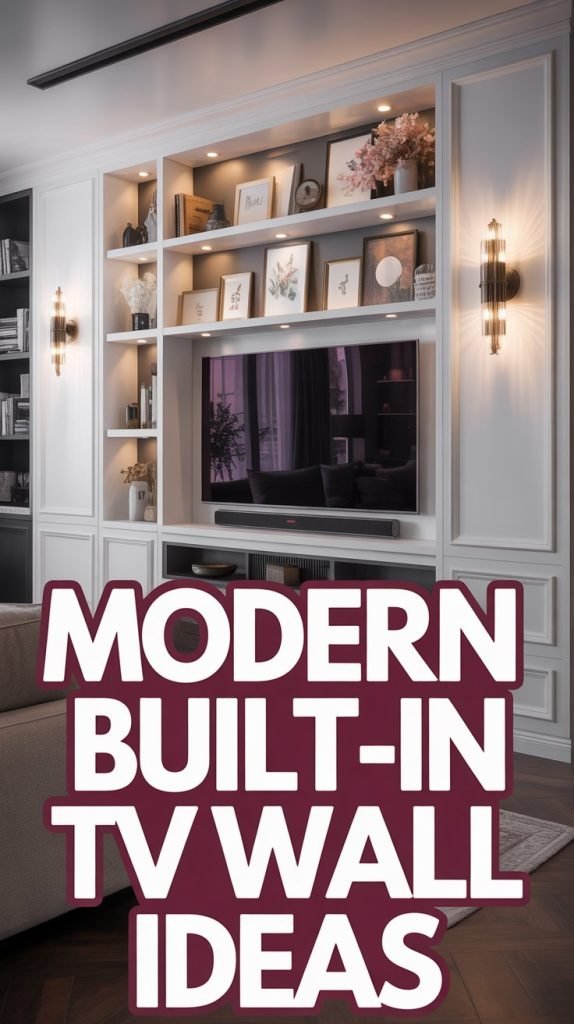
A built-in entertainment wall is one of the most striking and functional upgrades you can add around a wall-mounted TV. This approach creates a seamless, custom look that enhances storage, improves organization, and instantly elevates your living room design. By integrating the TV into cabinetry, shelving, or architectural details, you create a cohesive focal point that feels tailored to your home. Whether your style leans modern, traditional, farmhouse, or minimalist, a built-in wall provides structure, balance, and architectural presence.
Why Built-In Walls Make a Strong Design Impact
Built-in entertainment walls blend aesthetics with practical storage. Instead of having a TV floating on an empty wall, the screen becomes part of a larger, intentional structure. The cabinetry visually grounds the TV, while shelves provide opportunities to style decor, books, or plants. Built-ins also make the room feel finished and thoughtfully arranged, often increasing both comfort and resale appeal.
Unlike standalone media consoles, built-ins maximize vertical wall space. This is especially helpful in smaller rooms where floor space is limited.
Planning Your Built-In Layout
Before designing, consider how you use the space daily. Do you need more hidden storage? Do you prefer open shelving for decor? Do you want a symmetrical design or a modern, asymmetrical layout?
Common built-in configurations include:
- Floor-to-ceiling shelving with a central TV niche
- Lower cabinets with open shelves above
- Symmetrical shelving towers flanking the TV
- Asymmetrical layout with mixed closed and open storage
- Full architectural feature wall with lighting and paneling
Decide whether you want the TV to blend in or stand out. A darker niche or backdrop helps the screen visually dissolve into the wall. A lighter backdrop highlights it as a central feature.
Tip: Always measure the TV and allow a few inches of clearance around the screen for ventilation and future upgrades.
Choosing Cabinetry Styles and Finishes
The cabinetry material, finish, and door style determine the personality of the built-in wall.
Popular options include:
- Matte white shaker cabinets for a clean, timeless look
- Deep walnut or espresso wood for a warm, upscale feel
- Light oak for a Scandinavian or coastal interior
- Painted cabinetry in muted tones like taupe, charcoal, or sage
- High-gloss finishes for a sleek contemporary space
Mixing closed and open storage adds both beauty and practicality. Closed cabinets hide clutter, electronics, or media items. Open shelves provide room for styling and decorative accents.
Incorporating Smart Storage Solutions
One of the biggest benefits of built-ins is their ability to simplify organization. Thoughtful storage ensures your living room stays tidy without sacrificing style.
Useful built-in storage ideas include:
- Cabinets for games, controllers, remotes, and devices
- Concealed sections for routers or streaming boxes
- Integrated drawers for blankets or accessories
- Pull-out trays for gaming consoles or media players
- Vertical dividers for books or magazines
- Hinged panels or lift-up doors for hidden compartments
Cable cutouts and wire channels should be planned before installation to maintain a clean, clutter-free look.
Adding Lighting for Depth and Atmosphere
Lighting transforms a built-in entertainment wall from simple storage to a sophisticated design feature.
Consider adding:
- LED strips behind shelves
- Recessed lighting at the top of cabinets
- Puck lights in display niches
- Dimmer switches for adjustable ambiance
Lighting highlights decor pieces, adds warmth, and enhances the architecture of the built-in wall. It also helps the TV area feel more inviting and visually layered.
Tip: Warm white lighting tends to feel cozier and complements most living room palettes.
Creating Visual Balance with Proportion
Scale and proportion are crucial for a built-in wall to look intentional rather than overwhelming. The cabinetry should feel integrated into the room’s architecture rather than appearing too bulky or too small.
General proportional guidelines include:
- Aligning the width of the built-in with existing room features, such as a nearby window or sofa length
- Ensuring lower cabinets are deep enough for storage (typically 14–20 inches)
- Using upper shelves that are lighter and narrower to prevent visual heaviness
- Keeping the TV niche centered or purposefully offset depending on the design style
A well-proportioned built-in wall enhances harmony and makes the room feel balanced and grounded.
Styling Your Built-In Shelves
Open shelving offers a chance to add personality. Use a mix of decor pieces to keep the display interesting without appearing cluttered.
Effective styling pieces include:
- Books stacked both vertically and horizontally
- Ceramic vases or bowls
- Potted plants or trailing greenery
- Framed artwork or photographs
- Woven baskets
- Decorative objects and sculptures
Combine different textures—wood, glass, metal, ceramics—to create visual depth. Leave some empty space to prevent overcrowding.
Idea #8: Combine Art and TV in a Mixed Media Display
Why choose between art and technology when you can have both?
How to Layer Canvases and Screens Artistically
Hang canvases or framed art pieces around and even slightly overlapping the edges of the TV. This layered effect draws the eye naturally across the wall instead of fixating on the screen.
If you have a Samsung Frame TV or similar, display artwork when it’s off to maintain the artistic flow.
Idea #9: Use Minimalist Decor for a Sleek Modern Look
Sometimes, less is more—especially in modern interiors.
Clean Lines, Neutrals, and Hidden Cables
Keep your TV wall minimalist by using neutral tones like whites, grays, or soft beiges. Hide all cables and avoid over-accessorizing.
You can mount a slim soundbar beneath the TV and place a single statement decor piece, like a sculpture or large vase, to maintain balance.
Minimalist design draws attention to quality over quantity, allowing your TV to coexist beautifully with your space.
Idea #10: Mount TV Above a Fireplace with Balance
Mounting a TV above a fireplace can look sophisticated when done correctly.
Design Tips for Mantel Decor and Proportions
Ensure the TV isn’t too high—eye level when seated is ideal. On the mantel, use low-profile decor like candles, vases, or greenery to prevent distraction.
Balance both sides of the fireplace with matching sconces or artwork for a symmetrical finish.
Idea #11: Create a Rustic Farmhouse TV Wall
For those who love a cozy, country vibe, a rustic farmhouse wall is a timeless option.
Shiplap, Barnwood, and Cozy Textures
Add shiplap or reclaimed barnwood behind the TV for warmth and character. Incorporate distressed finishes, woven baskets, or vintage-inspired signs.
This look pairs beautifully with earthy tones, neutral fabrics, and soft lighting.
Idea #12: Use Mirrors to Enhance Space and Light
Mirrors can make your room look bigger and more luminous—especially in smaller living areas.
How Mirrors Expand Visual Depth Around a TV
Place mirrors on either side of the TV to reflect light and create symmetry. Choose subtle frames that complement your decor.
Avoid placing mirrors directly behind the screen, as reflections can be distracting.
Bonus: Mirrored panels or metallic decor add a touch of glam while keeping the look balanced.
Idea #13: Hide Your TV with Sliding Art Panels
If you prefer a clean look when the TV is off, consider sliding art panels or bifold covers.
Functional Decor That Doubles as a Design Feature
These panels can display artwork, wood slats, or fabric coverings that glide over the screen when not in use.
This approach lets you maintain your design aesthetic while concealing technology seamlessly.
Idea #14: Incorporate Accent Lighting Fixtures
Lighting can completely change the feel of your TV wall.
Wall Sconces, Spotlights, and Decorative Lamps
Add adjustable sconces or spotlights on both sides of your TV to frame it beautifully.
Soft, indirect lighting prevents glare while highlighting decor pieces around the screen.
Mix modern fixtures with vintage bulbs for a trendy, layered look.
Idea #15: Embrace Symmetry and Visual Balance
A well-balanced wall is visually pleasing and grounding.
Pairing Decor Elements for a Cohesive Look
Use symmetry when placing decor—identical shelves, artwork, or lighting fixtures on both sides of your TV.
This creates a sense of order, making your design look intentional and polished.
Remember: symmetry doesn’t mean boring—you can still play with different textures, heights, and materials.
Conclusion: Making Your TV Wall a Stylish Focal Point
Decorating around a wall-mounted TV doesn’t have to be complicated—it’s all about creating visual balance, texture, and harmony. Whether you go minimalist, rustic, or modern chic, the key is to make your TV part of your home’s personality rather than an eyesore.
With the right combination of lighting, greenery, art, and symmetry, your entertainment wall can become the show-stopping centerpiece of your living space.
A well-styled TV wall isn’t just functional—it’s an expression of your design story.