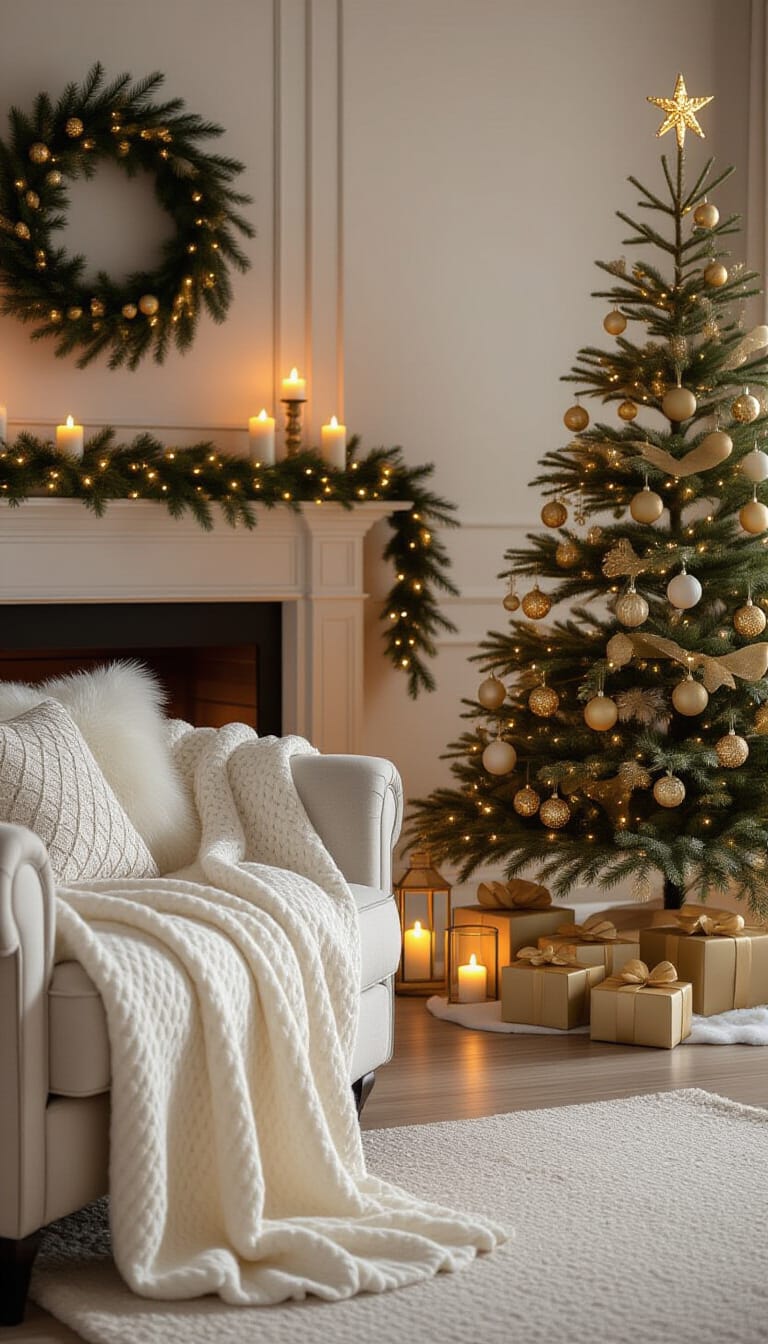
Introduction: Creating a Living Room That Feels Effortlessly Luxurious
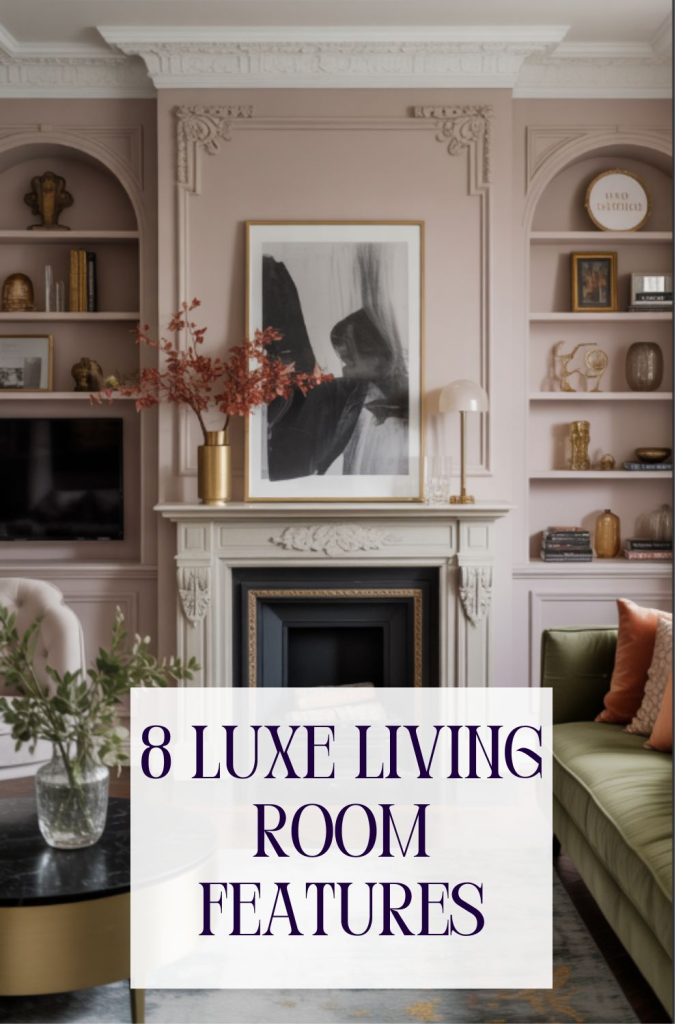
Dreaming of a luxury living room in your home? Luxury doesn’t always mean spending a fortune—it’s about creating a space that feels refined, balanced, and thoughtfully curated. A luxurious living room welcomes you with harmony, quality textures, and timeless details that make everyday life feel a little more special.
Whether you’re decorating a brand-new home or updating your existing space, these ideas will help you infuse sophistication into your living room—without sacrificing comfort. From choosing statement lighting to layering plush textiles, we’ll explore eight design touches that define modern luxury and show you how to bring them to life in your own home.
By the end of this post, you’ll have a clear roadmap for transforming your living room into a polished retreat that feels both inviting and high-end—no designer price tag required.
1. Choose a Refined Color Palette
Luxury begins with color. The most elegant living rooms tend to favor restrained palettes that balance warmth and sophistication. Think soft neutrals like ivory, taupe, and warm gray—layered with deeper accents such as charcoal, espresso, or navy. Metallics (especially brushed gold or antique brass) can be added sparingly to enhance the richness.
Tips for success:
- Use three main tones: one dominant, one secondary, and one accent for depth and cohesion.
- Incorporate subtle contrast—like cream walls against a rich velvet sofa—for visual interest.
- Add texture through materials (linen, wool, silk) to keep neutral colors from feeling flat.
Tools & resources:
- Paint brands with luxury finishes such as Farrow & Ball, Benjamin Moore Aura, or Clare Paint.
- Try peel-and-stick sample swatches to see how colors look in natural light before committing.
2. Invest in Statement Lighting
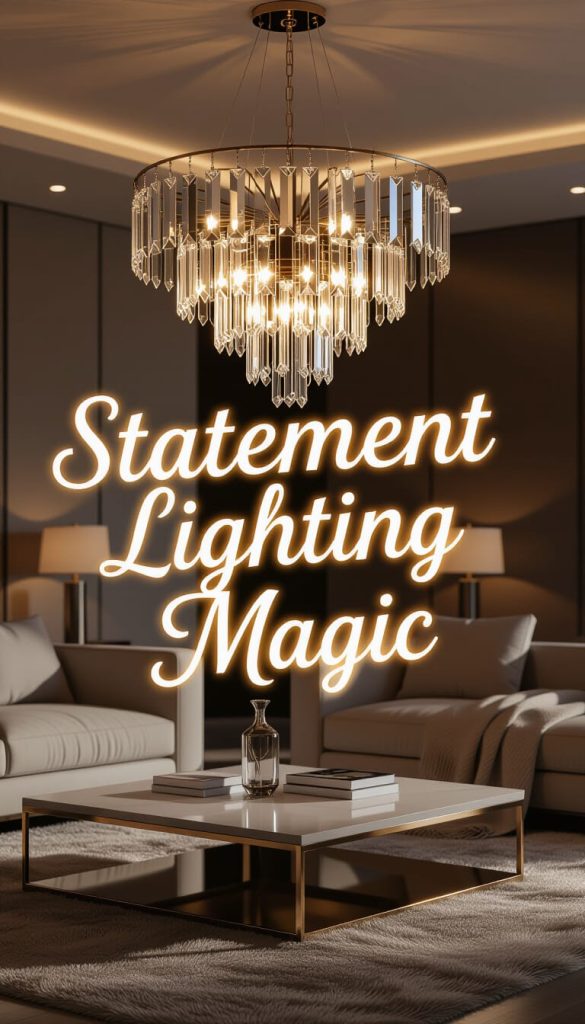
Lighting is the jewelry of a room—it defines mood and draws attention. A statement chandelier or sculptural floor lamp can instantly elevate a simple space into something magazine-worthy. Look for fixtures that blend beauty and proportion rather than just size.
Tips for success:
- Layer lighting: use a mix of overhead, task, and accent lights for ambiance.
- Dimmers are essential for creating that soft, luxury glow in the evening.
- Choose warm light bulbs (around 2700K) to keep the tone flattering and cozy.
Resources:
- Browse lighting collections from Visual Comfort, Mitzi, or Anthropologie Home.
- For an affordable option, upgrade lamp shades or switch plates for a custom look.
3. Incorporate High-Quality Textures
Luxury design is tactile. Think plush velvet pillows, a wool rug underfoot, or linen drapery pooling gently at the floor. Mixing materials adds visual depth and a sense of indulgence.
Tips for success:
- Balance matte and glossy finishes—like a silk cushion on a linen sofa.
- Keep textiles in the same tonal family to prevent cluttered contrast.
- Don’t overlook the rug: oversized, thick rugs instantly anchor a room and add softness.
Resources:
- Look for natural fibers (cotton, linen, wool, silk) when possible.
- Use swatch samples from stores like CB2, West Elm, or Fabricut to plan combinations.
4. Highlight Architectural Details
Luxury interiors celebrate structure. If your living room has crown molding, fireplace mantels, or built-in shelving, accentuate them. If not, faux architectural upgrades—like picture-frame molding or ceiling trim—can add instant sophistication.
Tips for success:
- Paint trim in a satin finish for subtle contrast against matte walls.
- Add depth with wall paneling, wainscoting, or a coffered ceiling detail.
- Use mirrors to reflect natural light onto those features.
Resources:
- Pre-made molding kits and peel-and-stick trim options make this DIY-friendly.
- Follow tutorials from Home Depot or House Beautiful for installation inspiration.
5. Curate Art and Accessories Intentionally
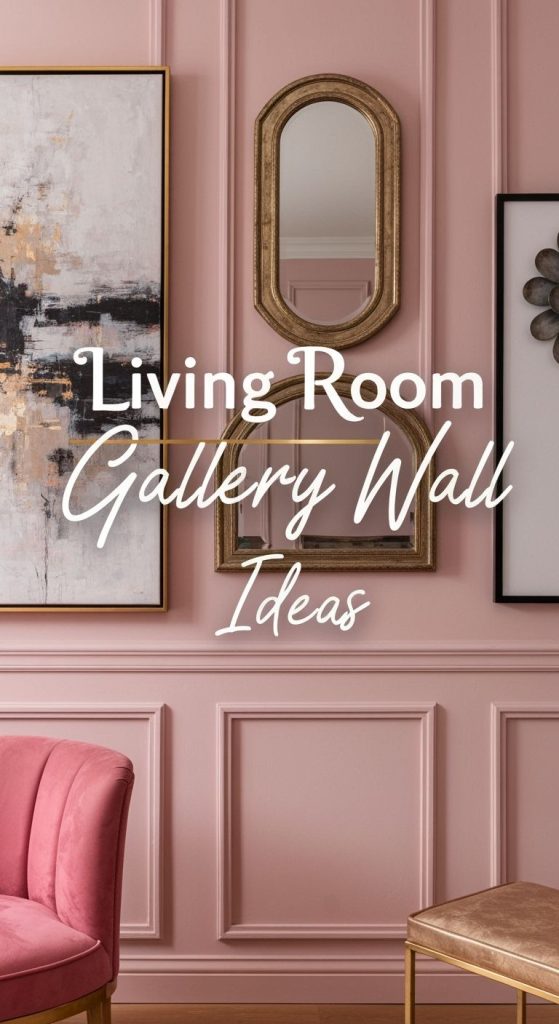
Luxury doesn’t mean filling every wall—it’s about restraint and curation. Choose a few meaningful pieces that tell your story, whether it’s a large-scale abstract painting, sculptural ceramics, or framed photography. Cohesion and negative space make a room feel artfully composed.
Tips for success:
- Stick to a consistent color tone or framing style for a cohesive gallery wall.
- Use large-scale art rather than many small pieces—it feels calmer and more upscale.
- Mix media (canvas, prints, 3D objects) but keep spacing and alignment intentional.
Resources:
- Browse Juniper Print Shop, Etsy, or Minted for affordable art prints.
- Try a floating frame or a wide mat for a gallery-quality finish.
If you have an extra large wall space, consider trying a gallery wall.
Choosing the Right Artwork
Artwork selection sets the tone for your gallery wall. You can mix:
- Framed prints
- Photographs
- Abstract art
- Line drawings
- Canvas pieces
- Small wall sculptures
- Typography prints
Try choosing pieces that share at least one common element—similar frame color, complementary color palette, or recurring shapes. This ensures the gallery looks intentional rather than chaotic.
Tip: Neutral-toned art with pops of color works well around TVs because it maintains balance without competing for attention.
Planning a Gallery Wall Layout
Before hanging anything, plan your layout.
Popular layout strategies include:
- A tight grid layout for a clean, modern look
- An organic, free-form arrangement for a relaxed, eclectic feel
- A side-heavy layout with most art on one side for asymmetrical balance
Place larger pieces near the TV and smaller pieces toward the outer edges. This keeps the wall visually grounded. More tips for decorating around a TV
Tip: Use painter’s tape or paper cutouts to map your frames on the wall before hanging. This helps you visualize spacing and scale without making unnecessary holes.
Frame Coordination and Finishes
Frames are an important design element on their own. You can choose:
- Matching frames for a polished, modern aesthetic
- Mixed frames (wood, black, gold, metal) for an eclectic or boho feel
- Slim contemporary frames for minimalist interiors
- Ornate frames for vintage or traditional rooms
The frame style helps determine whether the wall feels formal, casual, modern, or artistic. If you’re unsure, sticking with black, white, or natural wood frames is a safe, versatile option.
6. Add Layers with Luxurious Textiles
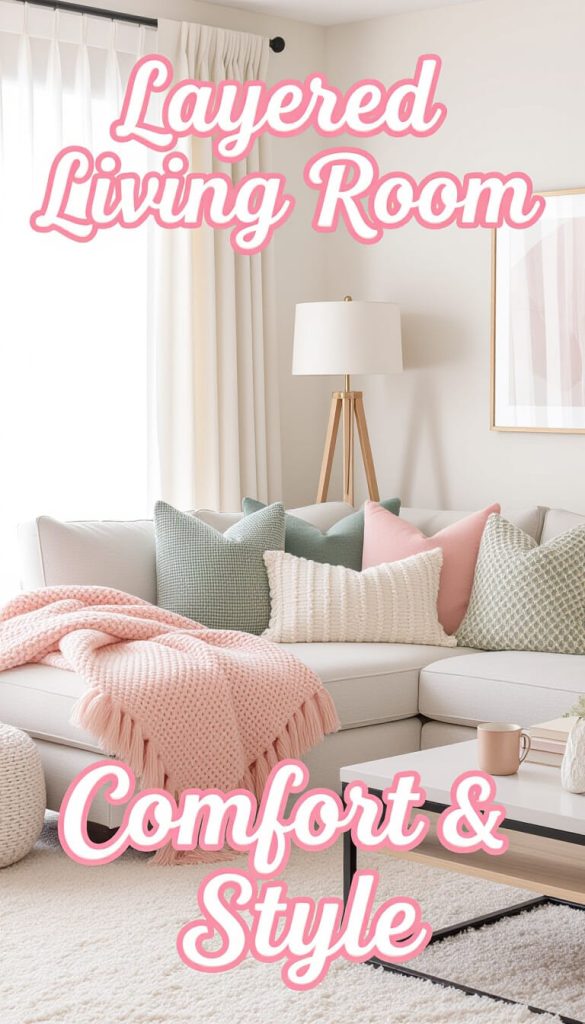
A layered approach creates warmth and dimension. Think throw blankets, layered curtains, and accent cushions in different materials. Even the smallest touches—like a fringed throw or silk-trimmed cushion—can make the space feel curated and comfortable.
Tips for success:
- Mix 2–3 fabrics: velvet, linen, and boucle are timeless favorites.
- Use throws and cushions in tonal variations of your palette for depth.
- Hang curtains high and wide to make the ceiling appear taller and the room grander.
Resources:
- Stores like Pottery Barn, Crate & Barrel, or H&M Home have luxe-looking textiles at approachable prices.
- For a designer look, line curtains with blackout or thermal backing for extra fullness.
7. Incorporate Natural Elements
The best luxury interiors balance polish with organic texture. Natural elements—like marble, wood, greenery, or stone—bring warmth and timelessness to your living room. They soften modern lines and make a space feel lived-in yet elegant.
Tips for success:
- Add plants in oversized planters for sculptural greenery.
- Mix materials like walnut, brass, and marble for contrast.
- Use organic shapes—round side tables, curved sofas—for a high-end designer feel.
Resources:
- Try faux greenery from Afloral or Nearly Natural if maintenance is a concern.
- Layer materials: a marble coffee table on a jute rug feels effortless yet elevated.
8. Keep It Clutter-Free and Balanced
True luxury lies in simplicity. A well-edited room allows your furniture and finishes to breathe. Thoughtful negative space, balanced proportions, and clear surfaces make every design choice shine.
Tips for success:
- Follow the “one-in, one-out” rule for decorative items to prevent overcrowding.
- Group décor in odd numbers—like three vases of varying heights—for balance.
- Maintain visual symmetry with matching lamps, side tables, or artwork placement.
Resources:
- Use decorative boxes or trays to corral smaller objects.
- Try digital room planning tools like Roomstyler or Planner 5D to visualize balance before rearranging.
Common Mistakes when Attempting “Luxury” Decor (and How to Fix Them)
Even with the best intentions, creating a luxurious living room can go off track. Here are the most frequent pain points and how to solve them with smart, approachable fixes.
1. Mixing Too Many Styles
The problem: Combining modern, farmhouse, glam, and rustic pieces can quickly look disjointed.
The fix: Choose a primary style and let other influences act as subtle accents. For example, start with a modern foundation and add just a touch of vintage charm through a mirror or rug.
2. Overcrowding the Space
The problem: Too much furniture or décor makes even large rooms feel cramped.
The fix: Keep pathways open and leave at least 18–24 inches between furniture pieces. Prioritize fewer, high-impact items instead of many small ones.
3. Ignoring Scale and Proportion
The problem: A tiny rug or undersized art can throw off the entire balance of the room.
The fix: Anchor the space with a rug large enough for all front legs of the furniture to sit on. For art, aim for two-thirds the width of the sofa or go with a large statement piece.
4. Flat Lighting
The problem: Relying on a single overhead light creates harsh shadows and dull ambiance.
The fix: Add layered lighting—table lamps, sconces, and floor lamps—to create warmth and depth. Install dimmers to easily adjust mood.
5. Neglecting Texture
The problem: A room full of similar materials (like all leather or all linen) can feel cold or flat.
The fix: Introduce contrast—mix smooth with nubby, matte with shiny, and soft with structured. A velvet pillow or woven ottoman instantly adds dimension.
6. Forgetting Personal Touches
The problem: Spaces that feel too “staged” lack personality and warmth.
The fix: Incorporate personal items—family photos in sleek frames, a treasured book collection, or travel finds that tell your story. Luxury feels authentic when it reflects you.
7. Cluttered Surfaces
The problem: Countertops, coffee tables, and consoles overflowing with décor lose their visual appeal.
The fix: Limit displays to 3–5 well-chosen items per surface. Use trays or bowls to contain small objects, and edit regularly.
8. Poor Quality Finishes
The problem: Cheap finishes or poorly maintained furniture undercut a luxurious look.
The fix: Upgrade hardware (like cabinet pulls or lamp finials), polish metal accents, and touch up paint regularly. Even small improvements can have a big impact.
Perfect — here’s the Frequently Asked Questions (FAQ) section for your Luxury Living Room Decor post:
Frequently Asked Questions
1. How can I make my living room look luxurious on a budget?
Focus on texture, lighting, and scale. Choose a neutral color palette, swap outdated light fixtures for statement ones, and use oversized art or mirrors to create an elevated look. Small upgrades like metallic accents or thick drapery can have a big impact without overspending.
2. What are the best colors for a luxurious living room?
Soft neutrals—ivory, taupe, warm gray—are timeless. Deep jewel tones like emerald or sapphire can add richness as accents. The key is balance: stick to 2–3 complementary tones and layer with texture instead of busy color combinations.
3. Does a luxury living room have to be large?
Not at all. Luxury is about proportion and detail, not size. Use mirrors, cohesive colors, and well-scaled furniture to make small spaces feel open and elegant. Even a studio can feel high-end with thoughtful styling.
4. What materials feel most high-end?
Natural materials—like marble, brass, wood, and linen—instantly convey quality. For fabrics, opt for velvet, silk, or textured weaves. Look for subtle sheen and tactile interest.
5. How do I keep my living room from feeling too formal?
Balance polish with comfort. Use soft textiles, warm lighting, and a few personal touches—like books or a throw blanket—to make the space inviting. Luxury should feel livable, not stiff.
6. How can I add luxury to a rental apartment?
Invest in pieces you can take with you—like lamps, rugs, and curtains. Add peel-and-stick molding or wallpaper for architectural interest, and use removable hooks for art. Even replacing hardware can make a noticeable difference.
7. What’s the biggest mistake people make when decorating for luxury?
Over-accessorizing. A cluttered room reads chaotic, not luxurious. Focus on editing—each piece should earn its place.
Pro Tips & Next Steps
You’ve mastered the foundations of luxury living room design—now it’s time to refine the details that separate a beautiful room from a designer-level showpiece.
1. Upgrade Hardware and Details
Small hardware swaps—like replacing standard knobs, outlet covers, or curtain rods—instantly elevate your space. Opt for finishes such as unlacquered brass, matte black, or brushed nickel for a timeless look.
Pro tip: Coordinate metal finishes across lighting, frames, and furniture legs for a seamless flow.
2. Invest in Custom or Tailored Pieces
Luxury design thrives on personalization. Custom curtains, tailored slipcovers, or built-in shelving bring precision and polish that mass-produced items often lack.
Pro tip: Even semi-custom options, like IKEA cabinet hacks with upgraded doors or hardware, can look fully bespoke.
3. Embrace Negative Space
Designers often say, “Let the room breathe.” Don’t fill every wall or corner—intentional emptiness gives your best pieces room to shine.
Pro tip: After styling, remove one item from each surface. The result usually feels more balanced and curated.
4. Add a Signature Scent
Luxury appeals to all senses. Introduce subtle fragrance through candles, diffusers, or fresh greenery. Scent layering—like citrus with wood or floral with amber—enhances the atmosphere without overpowering it.
Pro tip: Keep one signature scent throughout the home for a cohesive feel.
5. Maintain It Like a Pro
Luxury isn’t just how a space looks—it’s how it’s cared for. Regularly clean fabrics, polish surfaces, and rotate accessories seasonally to keep everything fresh and intentional.
Pro tip: Store seasonal items in labeled bins so you can easily refresh décor without clutter.
Conclusion: Creating Everyday Luxury
Luxury living isn’t just about expensive furnishings or designer labels—it’s about creating a space that feels intentional, balanced, and uniquely yours. With thoughtful color choices, high-quality textures, and curated décor, your living room can exude sophistication while remaining inviting and livable.
Remember, the goal isn’t perfection—it’s presence. Take your time to layer each element, paying attention to how it feels as much as how it looks. Whether you’re upgrading lighting, editing your accessories, or simply investing in better textiles, every small decision adds up to a more refined and comfortable space.
So go ahead—light that candle, smooth that velvet cushion, and enjoy the luxury you’ve created right at home.