Introduction
Curtains do more than block light — they frame your windows, set the room’s mood, and instantly elevate a space. The right window treatment can make an inexpensive room feel custom and high-end, or turn a well-appointed room into a showstopper. By the end of this post you’ll understand eight curtain approaches that read as luxurious at any price point, plus practical tips to recreate each look (from budget hacks to splurge-worthy finishes). Below are the intro and the first three curtain options for review.
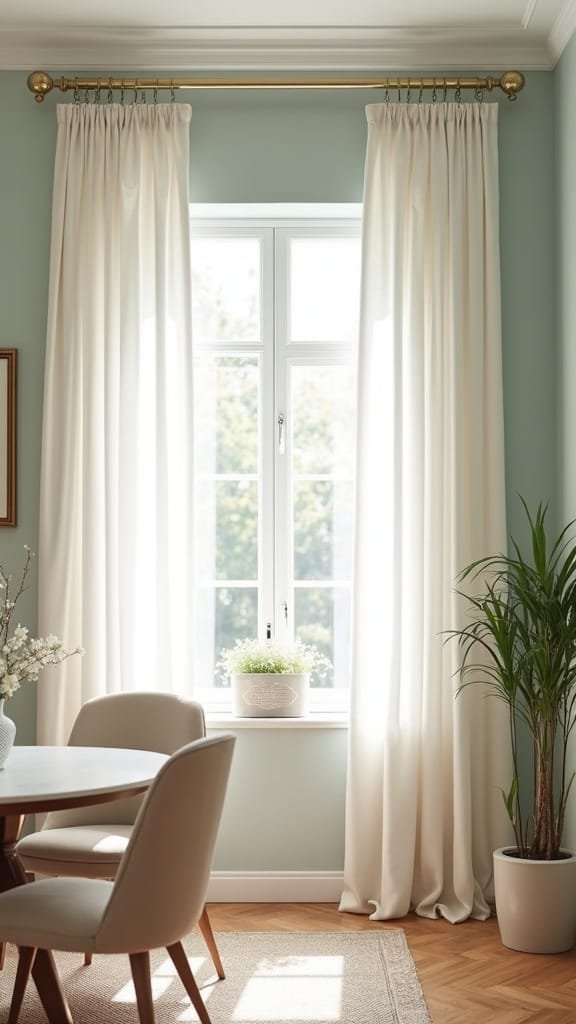
1. Floor-to-Ceiling Panels (Maximize Height)
Long, unbroken fabric from ceiling to floor visually raises the room and reads custom—even when the fabric is affordable. Mount the rod 4–6 inches (or more) above the window frame, or directly on the ceiling for dramatic effect.
Best practices / tips
- Buy extra length: Measure for full puddle vs. just grazing the floor. Err on the longer side and hem for a tailored result.
- Aim for fullness: Use 2–2.5× the window width for gathered panels; for a more modern flat look, 1.5× can be enough. Fullness is what looks expensive.
- Keep lines clean: Use concealed tab or pencil pleat headings for an elevated look, or sleek hidden rod-pocket tape when using a single continuous panel.
Tools & resources
- Tape measure, step ladder, fabric shears, curtain tape (for pleats), heavy-duty curtain rod with proper anchors, and an iron or fabric steamer. No-sew hem tape is a great budget shortcut.
2. Lined, Weighted Drapes (Structure = Luxury)
A lining instantly improves how curtains hang, blocks light, and protects fabric from sun damage. Adding hem weights gives swish and structure that makes even inexpensive fabric behave like a high-end textile.
Best practices / tips
- Always line heavier fabrics and sheers: Lining prevents light bleed and helps panels hold their shape. Blackout lining doubles as a sound-softening layer.
- Add weights to the hem: Sew-in or stick-on weights (or even heavy chain) create a smooth vertical fall—this is a small detail that reads very custom.
- Choose the right lining color: White linings can show through darker sheers; match the lining tone to the face fabric for opacity control.
Tools & resources
- Sewing machine (or local seamstress), hem weights, curtain lining fabric (thermal or blackout if needed), curtain tape/heading hooks, and a good steamer for final finish.
3. Layered Sheers + Opaque Panels (Depth & Texture)
Layering a lightweight sheer under a heavier drape adds depth, softens light, and lets you change the room’s feel without swapping hardware. This hotel-style combo looks polished and versatile.
Best practices / tips
- Use a double-rod or french rod: Hang sheers closer to the window and heavier panels in front for easy control and a finished look.
- Coordinate but don’t match exactly: Choose sheers that complement the heavier fabric’s tone or pattern rather than matching. Subtle contrast increases perceived richness.
- Control length consistently: Make sure both layers hit the floor at the same place (or intentionally puddle on both) — mismatched lengths read unfinished.
Tools & resources
- Double curtain rod or two close-fitting rods, sheer fabric (voile or linen blend), mounting hardware, tiebacks or holdbacks for styling, and clip rings if you want quick removal and easy cleaning.
4. Luxe Fabrics on a Budget (Faux Linen, Velvet & Dupioni)
The fastest way to make your curtains look expensive is to pick a fabric with texture and body. You don’t need silk or designer linen to get the look — high-quality faux linen or velvet can create the same luxurious drape and sheen for a fraction of the price.
Best practices / tips
- Shop for texture, not price tag: Look for heavier weights and visible weave (like slub linen or a velvet with low pile). Thin or shiny synthetics can read cheap.
- Use iron-on lining: If your fabric feels flimsy, line it yourself with blackout or thermal backing to add structure.
- Color = luxury: Deep neutrals, muted jewel tones, and earthy shades tend to photograph and style more elegantly than bright synthetics.
Tools & resources
- Fabric yardage calculators, online samples (Etsy and fabric wholesalers), blackout lining, iron-on tape, curtain clips or pinch pleat tape for a professional finish.
5. Pinch Pleats & Tailored Headings (Instant Custom Look)
A structured pleat at the top of the curtain — whether a triple pinch, double pinch, or tailored pleat — gives that designer, hotel-room vibe. This is one of the easiest ways to fake a custom drapery look using ready-made panels.
Best practices / tips
- Add pleat tape: Use pleat tape on the back of standard panels and insert pleater hooks to create evenly spaced folds.
- Keep spacing consistent: Even spacing between pleats ensures the panels hang symmetrically and slide cleanly along the rod.
- Choose the right hardware: Pinch pleats pair beautifully with ring clips or a traverse rod for smooth operation.
Tools & resources
- Pleat tape, pleater hooks, ring clips or traverse hardware, iron for pressing folds, and a measuring tape for precision.
6. Chic Hardware Choices (The Jewelry of Your Windows)
Curtain hardware has as much impact as the fabric itself. Sleek brass rods, matte black finials, or acrylic rods with gold brackets instantly upgrade even budget panels. Think of hardware as the finishing touch that defines your room’s style.
Best practices / tips
- Go oversized: A thicker rod (1.25–1.5 inches) looks more substantial and upscale than thin tension rods.
- Mind the finish: Coordinate with your other metal accents (lighting, cabinet pulls, side tables) for cohesion. Mixed metals are fine — just keep it intentional.
- Extend beyond the frame: Extend rods 8–10 inches beyond the window width so curtains clear the glass when open — this makes windows appear wider.
Tools & resources
- Level, measuring tape, stud finder, drill with anchors, rod sets with brackets, and decorative finials that match your decor style.
7. Pattern Play: Subtle Prints & Tone-on-Tone Fabrics
Patterned curtains instantly add personality, but subtlety is key for maintaining a sophisticated feel. Think tone-on-tone prints, fine stripes, or soft geometric weaves that add visual interest without overwhelming the space.
Best practices / tips
- Keep it tonal: Choose patterns within one or two shades of your wall or furniture color. This creates flow and a designer-level cohesion.
- Mind the scale: Larger patterns suit spacious rooms; small or tight prints work best for cozier spaces or when layering.
- Balance the room: If your rug or sofa is bold, let curtains be the quieter complement.
Tools & resources
- Fabric swatches, color wheel (for undertone matching), lining fabric (to keep patterns from fading), and coordinating tiebacks or trims.
8. DIY Upgrades & Custom Details
Even the simplest store-bought panels can look expensive with a few small tweaks. Adding trim, decorative banding, or upgraded tiebacks gives your curtains a “designer touch” for minimal cost.
Best practices / tips
- Add trim: Ribbon, Greek key, or fringe trims along edges or leading panels create a boutique, high-end look.
- Upgrade hardware accents: Swap standard clips for statement rings or gold hooks.
- Use fabric glue for no-sew projects: Perfect for renters or quick updates—just press and steam afterward for a seamless finish.
Tools & resources
- Trim or ribbon rolls, fabric glue or sewing kit, measuring tape, and decorative hooks or holdbacks.
Pro Tips: Making Any Curtain Look High-End
- Steam, always. Wrinkles immediately cheapen a look—invest in a handheld steamer.
- Hang wide and high. Raising rods and widening coverage makes windows feel grander.
- Mix textures. Pair smooth sheers with nubby linens or soft velvets for designer depth.
- Invest where it shows. Spend more on hardware and lining—your panels can be budget-friendly if they hang beautifully.
- Keep consistency. Throughout your home, use similar hardware finishes for a unified, intentional look.
Conclusion
Luxurious-looking curtains aren’t about spending thousands—they’re about choosing the right combination of fabric, structure, and finish. With smart layering, attention to detail, and a few clever upgrades, you can turn any window into a feature that feels custom and timeless. Whether you’re working with IKEA panels or custom linen, these eight curtain ideas will help you achieve that polished, magazine-worthy finish that’s signature Color Joy Home: approachable, stylish, and full of personality.